Reconnect With Wonder

How cultivating wonder can keep your creative energy flowing, and why it’s so important to nurture it…

This time last year I was able to travel to Scotland for a very happy reason — to party with my my parents on their 60th wedding anniversary.

The journey didn’t exactly go smoothly, but travel always offers the opportunity to see things in a new light: for example our inexplicably cancelled connecting flight from London to Glasgow turned into an impromptu  train journey up the west coast of the UK, past Industrial-Revolution-era factory towns1, old canals, rolling hills, fantasy-inspiring forests, and seas of purple heather. 

I couldn’t stop looking out the window.

The locals? They were watching The Matrix on their phones2.

It’s hard to maintain a sense of wonder in your everyday environment. But not impossible…

And that very sense of “wow” is what fuels our writing.

Why Wonder Matters for Writers

When we’re focused on creating the finished product — a story for a market, a novel in a particular genre — it’s easy to become anchored by expectations. That, in turn, kills our curiosity, our willingness to take risks, our sense of having fun.

And it defers all the opportunities to feel accomplished until “The Project Is Over”.

What a drag.

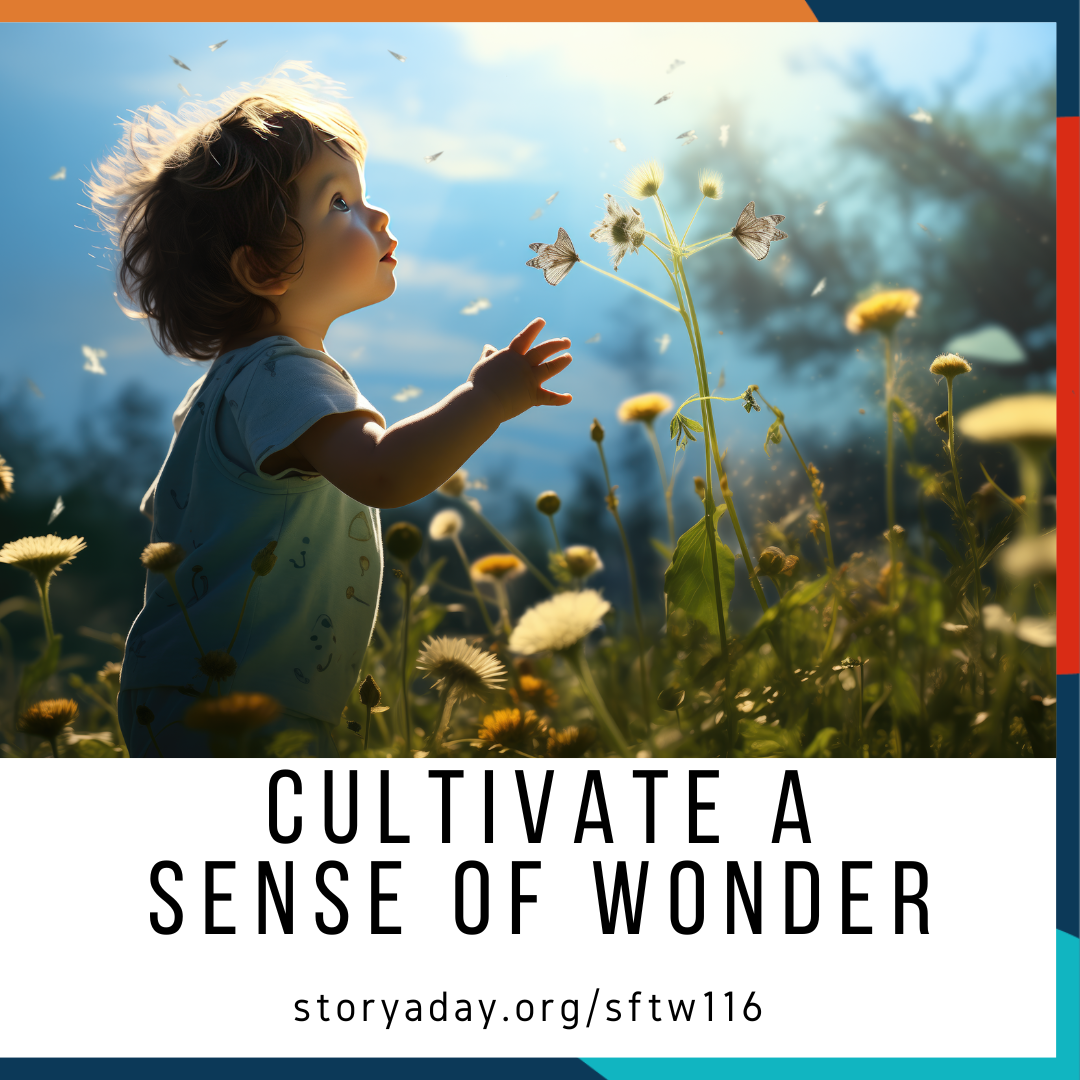
Cultivating a sense of Wonder brings back the fun.

 It awakens your curiosity.

It keeps possibility alive.

PLUS behavioral scientists assure us that celebrating those little sparks of joy is what help you stay motivated for the long haul.

Practice Off the Page

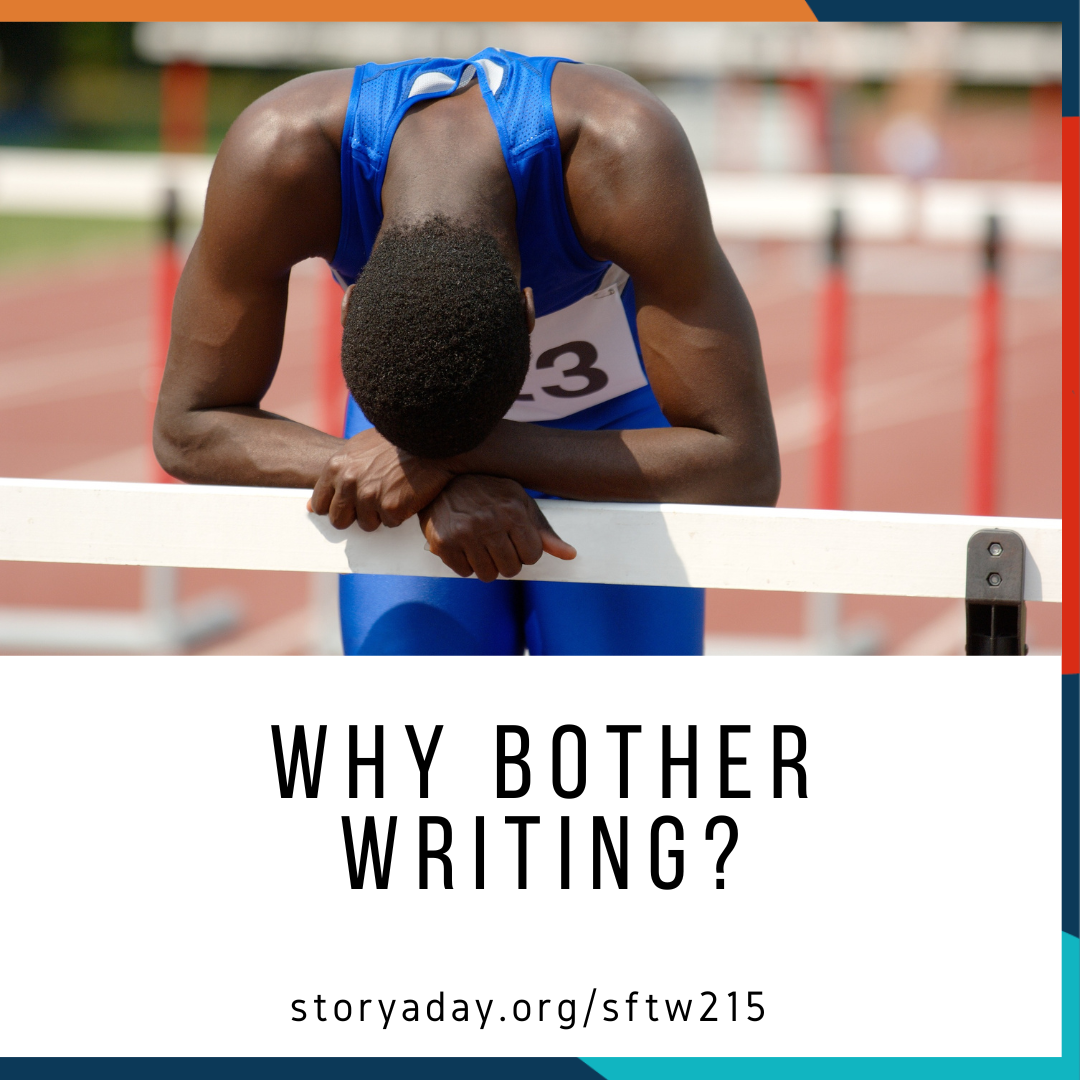
Athletes don’t just show up for the game — they drill, train, and practice behind the scenes.

Writers need “practice time” too. 

Think of some things you can do this week, away from the page, to exercise your Wonder muscles:

This “non-product-related” time feeds your creative brain.

Ways to Find Wonder

(Without Buying a Plane Train Ticket)

  • Change your route home from work. Notice what’s different.
  • Switch your grocery store. See how the new one is arranged.
  • Wind down the car windows and pay attention: the smells, the temperature, the sounds.
  • Order something new at your coffee shop, then describe it in writing.
  • Talk to a stranger. Find out what lights them up.
  • Visit an odd museum you’ve been ignoring (National Mustard Museum, anyone?).
  • Pull a random nonfiction book from the library shelves and leaf through it.
  • Look closely at weeds in a patch of earth — the shapes, the colors, the insects, the cracks they grow through.

This Month’s StoryADay Theme: Triumph

At StoryADay, Triumph means celebrating every tiny win. Spotting wonder counts. So does jotting down a phrase, or noticing a Story Spark like: the exact way you could represent the rhythm of rain on the roof.

Small celebrations keep you energized, curious, and writing.


Your assignment this week

 Go somewhere new (or look at somewhere familiar in a new way) and find one small thing worth noticing. Write a few sentences about it — just for you.

Ready to turn those sparks of wonder into finished stories?

StoryaDay 3-Day Challenge

Take the 3-Day Challenge and write three short stories this weekend!

Take the 3-Day Challenge — a short-story writing course you can finish this weekend. Go from “idea” to “The End” in three days, and give yourself the gift of an achievement you can celebrate.


Join the discussion:
Where did you find wonder this week? What tiny moment felt worth celebrating?

  1. Welcome, fellow fans of the board game Brass… ↩︎
  2. Woah! ↩︎

Creativity: Bringing People Together

People are easily led. Let’s lead them to joy, through sharing things they can love.

Last night I got to be part of the audience, doing something like this

Jacob Collier is an extraordinary musician who does not do what he is told, or what others before him have done1.

A few years ago he started experimenting with asking his audience to sing a note, then conducting them in a multi-part harmony, just by pointing at them. It’s quite something2.

Bringing People Together

When so much about our public life is awful, and terrifying, and despair-inducing, it can be tempting to think that taking time out for moments of joy is somehow trivial or disrespectful.

It’s not. It’s essential.

Bringing people from all walks of life together to experience something—collectively, as at a concert or asynchronously, as with reading a good story—is important work.

It’s important that you write your stories.

It’s important that you make them good enough to share. 

Because sometimes, when people come together and share a moment of joy—singing in unexpected harmony or sharing their love of a sarcastic security cyborg—it reminds them of how alike we all are.

Bad actors try to assemble their followers into a scared, exclusionary huddle.

It only takes one courageous person’s vision to bring people together for good.

Art matters. 

Stories matter.

Your voice matters.

Keep writing,

Julie

P. S. It can be hard to gather the motivation to do the work in the face of, well, everything. Here’s a brand-new workbook to help you reconnect to your practice or your project. Download it now, as a thank you for following along on this writing journey with me!

  1. Which doesn’t mean he’s a contrarian. His commitment to doing what he does, how he likes it, has led him to friendship with Quincy Jones, and a deal with Martin guitars where they produced a 5-string guitar for him, because he thought ‘why does a guitar have to have six strings?” ↩︎
  2. I’ve been in choirs where we could not sing acapella and stay in tune. Last night, he led thousands of people through a long improvised harmonic thing and then brought back in an actual orchestra…and we were still on pitch! ↩︎

Who’s On Your Internal Coaching Team?

Do you have an inner critic or an inner coach? And which voice will help you become creative, happy, fulfilled writer?

…and is it time to fire them?

Remember the ancient times of last summer, during the Olympic games in Paris, when the media was flooding us with feel-good stories about quirky folks who had dedicated their life to pursuing excellence in one, extremely niche activity…and everyone thought it was cool?

Good times.

One story that stood out to me was the US Gymnastics team’s commentary on how much happier they were now that they had new coaches—coaches who motivated them with praise and love, rather than fear and shame.

Oh, and they still somehow managed to win the gold medal.

Who are your internal coaches modeled on?

When you’re trying to motivate yourself to write, do you have: 

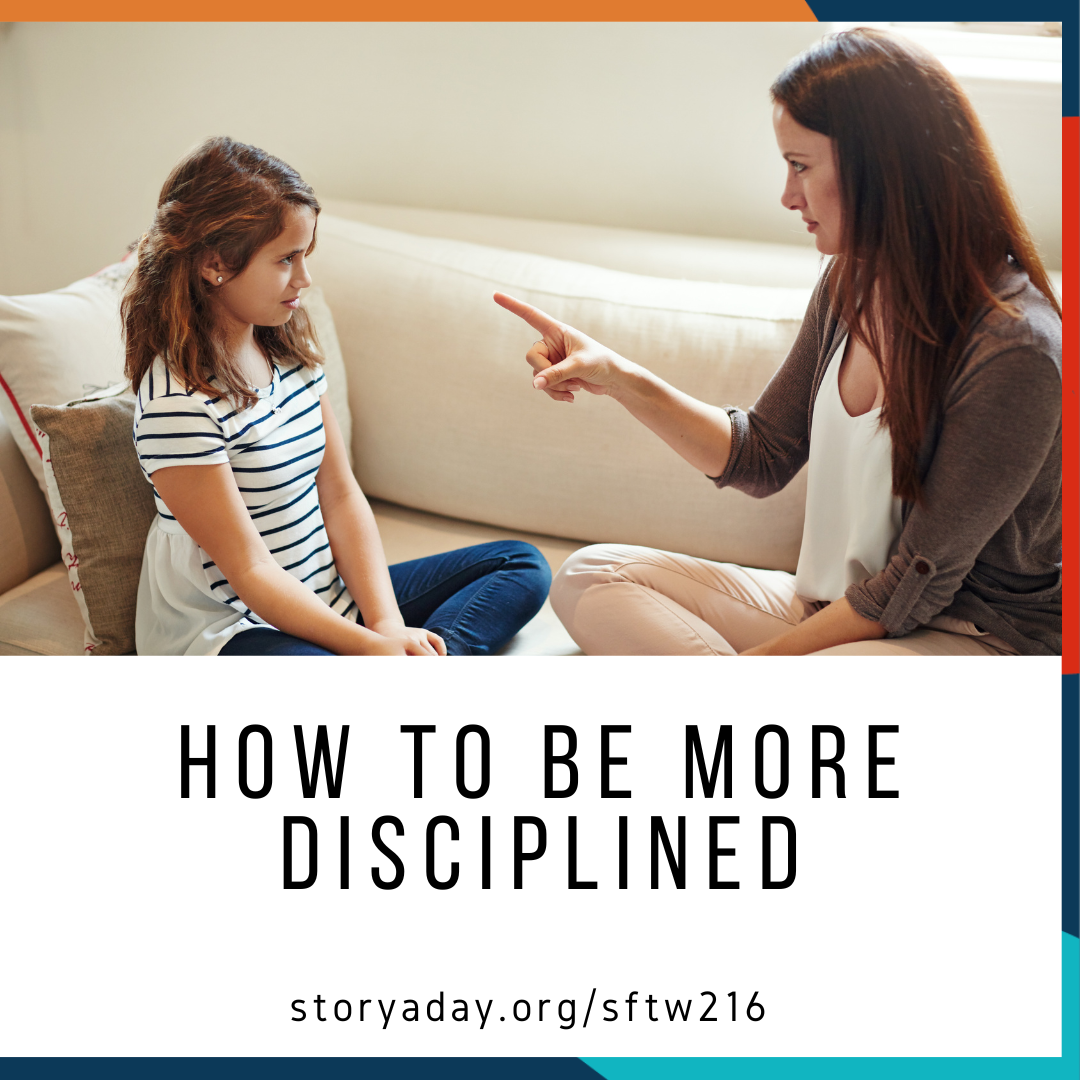
  • A big, scary guy with a megaphone, barking at you and shaming you for not being perfect?
  • An indulgent hippy mom who says ‘that’s ok, whatever you feel like doing is fine’—even if that ‘whatever’ isn’t helping you reach your goals OR feel fine?
  • Or have you worked to install a positive, loving voice that tells you to set tiny goals that you can exceed and who encourages you to celebrate like mad when you reach or exceed them.

Guess which voice I’m going to recommend recruiting to your internal coaching team… 

Celebrate Success, Every Day

Habit experts, like BJ Fogg, tell us that outsized celebrations for achievable goals are key to maintaining a new habit. 

Lay down those dopamine pathways in the brain by getting up and punching the air every time you meet your new wordcount! (It feels silly, but it helps your brain associate ‘writing time’ with ‘feel-good time’.)

Productivity experts, like Adam Grant, tell us that striving for perfection is a fool’s errand. 

Instead, of aiming for ‘perfect’,  try to make your work ‘perfectly acceptable’—that’s what experts and high-performing professionals do!

Cal Newport tells us it’s OK to slow down, to take one task at a time and do it as well as we can, today.

Performance experts, like Jim Murphy, tell us that “judgement and curiosity cannot co-exist. When we judge someone or something, curiosity goes out the window, and with it, creativity.”

Is It Time To Fire Your Inner Coach?

If the voice in your head is an old-school, 1970s-style gym teacher, screaming in your face every time you perform less than perfectly, perhaps it’s time to consider firing your inner coach.

Instead, invite in a more modern approach, like those used by high-performance athletes, executives, and, yes, writers, today.

Voices that say

  • It’s ok to take your time; just keep moving
  • It’s good to rest; just make a plan for when you’ll start up again
  • Don’t judge; instead, be curious
  • Don’t try to be perfect; just try to trend upwards
  • Don’t compare yourself to anyone except you: yesterday, a year ago, ten years ago. Remember how far you’ve come
  • Be inspired by other people’s success, not envious or threatened; they’re raising the standards and giving you a reason to strive to be better
  • Celebrate every tiny triumph along the way; got to your desk? Punch the air! Opened your manuscript? Pat yourself on the back. Met your word count for today? Dance party in the kitchen!

Fear, shame, and bullying can get results for coaches, but not for long.

And you’re in this for the long haul, right?

Start cultivating modern, fair-but-firm internal coaching voices, that encourage you to live up to what you know you’re capable of, and who also remind you that one bad day is not the end of the world.

Join the discussion: What do your internal voices sound like? Where do you think they came from? What might a more-positive, productive voice say, instead?

The Power of Tiny Wins

Writing success doesn’t come from heroic marathons—even though we are about to embark on one.

The truth is that success comes from the steps you take to implement what you learn during the challenge. Showing up again and again, long after May is over, is what will drive you to your definition of success, whatever that is (more on that, next week).

And the way to keep showing up (aka ‘build a habit’) is to create an outsized celebration for every tiny step you take towards creating that habit.

Decide, Do, Celebrate

  • Choose one tiny writing task today—setting your intentions for your writing today; deciding to write one paragraph or sentence in your work in progress; opening your manuscript; noticing three Story Sparks, whatever. Just keep it tin.
  • Choose a celebration to do—it might be punching the air, doing a literal victory dance, spending two minutes coloring in a picture, laughing out loud, patting yourself on the back, eating a single delicious chocolate truffle or in-season strawberry that you have put on your desk before you started. Whatever you choose it should be absolutely immediate (no searching for stickers or promising yourself an ice cream later) and it should be something (like the a big grin or the victory dance) that changes your physical state.
  • When you do the good behavior, take the reward—We’re ‘burning in’ the ‘good behavior=reward’ pathway, as if we were puppies. And why not? It works for puppies, and it works for us too.

Further Reading/Listening

Listen to my podcast episode about the power of tiny wins and the Fogg Behavioral Model

Discussion

Did you choose an immediate reward? Did you choose a tiny task? Did you do both, one after the other? Did it feel silly? If so you’re doing it right! Tell us what you did:

Publishing Success in the StoryADay Community

Publication is far from the only–or most important–measure of success in a writing life.

In our StoryADay Superstars group we have a thread where we celebrate our triumphs from “not quitting” to “finishing a piece” to “receiving a ‘no’ from an agent for the first time” (which, of course means you plucked up the courage to send out a query to an agent), to yes, publication.

And though publication is not the only measure of success as a writer, it is one way to see how writers in StoryADay community is thriving: they are writing, submitting, and gaining publishing credits.

So, to inspire you to do the same, here are some publication successes from this community. I invite you to share yours, in the comments:

If you’ve had some publishing successes, I invite you to share yours, in the comments