What if your writing could really help someone?
This week I became aware of a project from fantasy writer Brandon Sanderson: a “challenge coin” offered freely to anyone struggling with depression, that a, is a beautiful collectible item and b, contains a QR code link to resources to help people with mental health issues.
(You can find out more here. If you are someone who deals with depression, you can get the coin for free. If you just like Brandon Sanderson and want to support his work—or collect All The Things—you can buy a coin there, too. There is no ‘test’. You are invited to self-select.)
The Arts As Their Own Reward? Yes, and…
I’m a big fan of encouraging people to write for it’s own sake: for the rewards you get from the process.
But that doesn’t mean I think you’re somehow ‘selling out’ if you want to make a living from your craft.
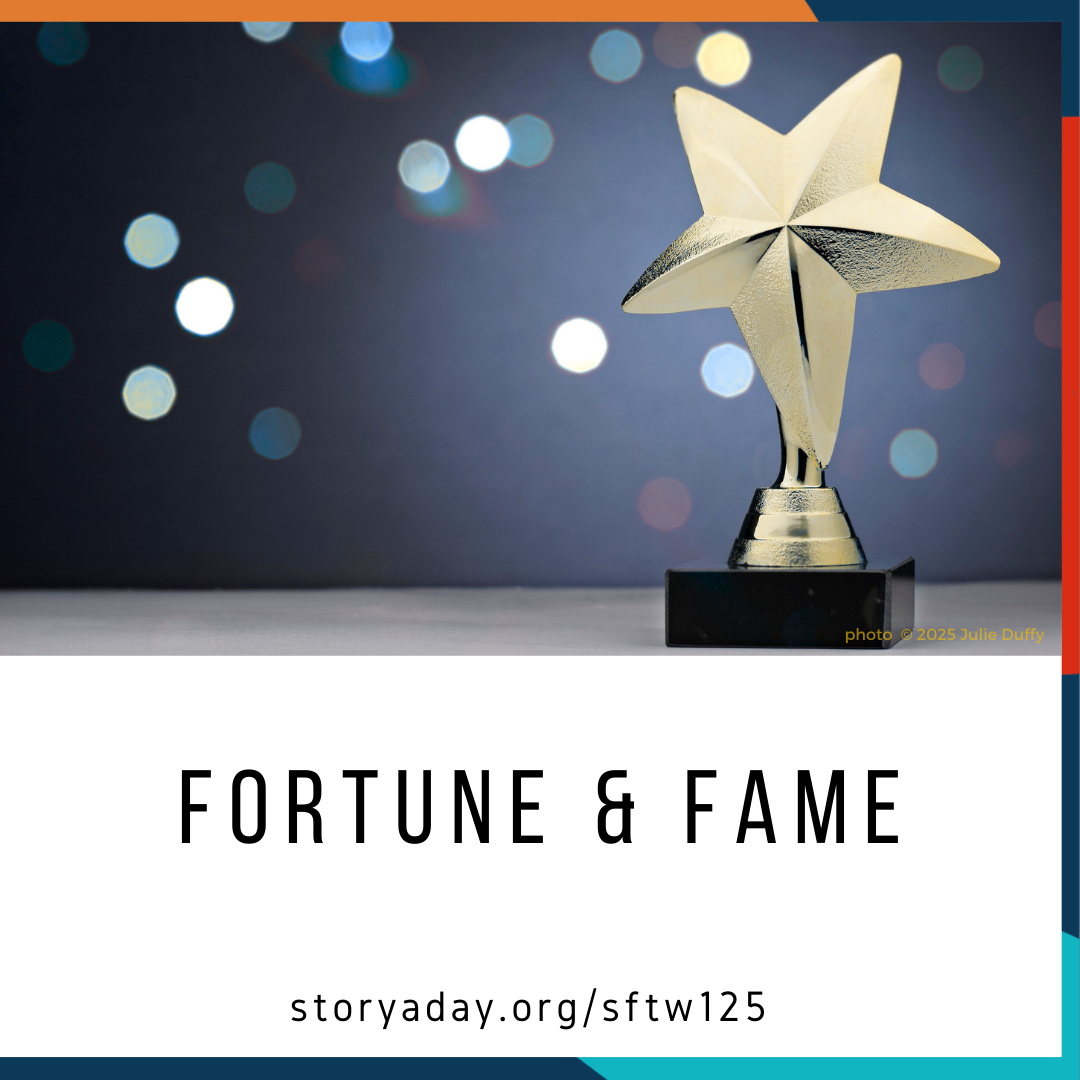
In fact, if that’s your path, I hope you make a fortune from your writing.
I think writers are exactly the kind of people who should be successful and rich.
Brandon Sanderson is an example of how that success can look, in the hands of someone who spends all their time thinking hard about what makes humans tick (i.e. a writer).
Do The Work
Dreams of fame and fortune, and all the good you’ll do with them, are lovely, and can be inspiring in the tough times, when you’re starting at the fourth revision of a manuscript, wondering if you’re making it better or worse.
But you still have to do the work.
Sanderson didn’t become rich and successful on the strength of having written one book. He writes a LOT. Obsessively, in fact.
You do not have to write obsessively in order to become successful–there are plenty of examples of people who have a slightly more balanced approach and still do fine–but you do have to write.
- Actually-Writing,
- Really-Revising,
- Courageously-Engaging with the publishing industry/readers,
These must be serious activities for you, if you want success as a writer.
Don’t Go It Alone
Another lesson from Sanderson that I’ve noticed over the years is that he doesn’t try to do it alone.
- He worked to develop his own style, but then he went to conferences to learn the business.
- He formed a podcast with other writers, to share what they knew with the community of writer-admirers.
- He formed a company to deal the the growing business demands of being a prolific and successful author.
- In his announcement about the challenge coins I noticed a lot of ‘we’ language.
- He came up with the idea, but it was clear that there’s a team behind him coming up with smart ideas (like: what should go into the resource page; what to do about the tension between their desire to give them away to people who need them and also satisfy people who just wanted the coins because they’re collectors…)
The myth of the solitary writers is just that…a myth.
The only stories about solitary writers I can think of are stories that don’t end happily. Any successful, modern author’s ‘acknowledgments’ section runs to several pages.
How We Do It
Here in StoryADay-land, we get together to write every May: taking on a huge, ridiculous challenge, just to see what we’re made of. We post about our successes and our less-than-successes. We share and commiserate.
And we do workshops and hangout and co-working writing dates together, because doing this together is just way more fun. And more sustainable.
I hope you have a supportive community of writers around you.
And if not, keep your eye on your inbox for an invitation to join us for an end-of-year get together for the StoryADay community, that will also help you plan for a 2026 you can be excited about.
A Fun Thought Experiment
What would you do with your fame and fortune if you made it big? Leave a comment and let us know!
Keep writing,
Julie
P. S. Need more practice turning everyday moments into key scenes in your stories? Consider the StoryAWeek newsletter: 52 weekly lessons and writing prompts. Find out more.